
Effective Solutions for Cavities and Damaged Teeth.
Dental fillings are a fundamental restorative treatment used to repair teeth that have been damaged by decay, cracks, or fractures. They are essential for preventing further deterioration, alleviating discomfort, and restoring the tooth's original strength and functionality.
At Clayton South Dental, we are committed to providing durable and effective dental filling solutions tailored to your individual needs. While various materials can be used for fillings, we primarily utilise tooth-coloured composite fillings due to their aesthetic appeal and ability to bond directly with your natural tooth structure, offering a strong and seamless restoration.
Different materials are available for dental fillings, each with unique properties. At Clayton South Dental, we discuss the best option for your specific needs, primarily recommending tooth-coloured composite fillings for their superior aesthetics and strong bond to natural tooth structure.
Made from a blend of plastic and finely ground glass particles, these fillings are matched to your tooth shade for a natural look. They bond directly to the tooth, requiring less removal of healthy tooth structure.
Traditional silver-coloured fillings made from a mixture of metals. While durable and cost-effective, they are less aesthetic and require more tooth preparation. We offer modern alternatives.
Custom-made in a dental lab, these are highly aesthetic and durable, often used for larger restorations. They are more expensive and may require two appointments.
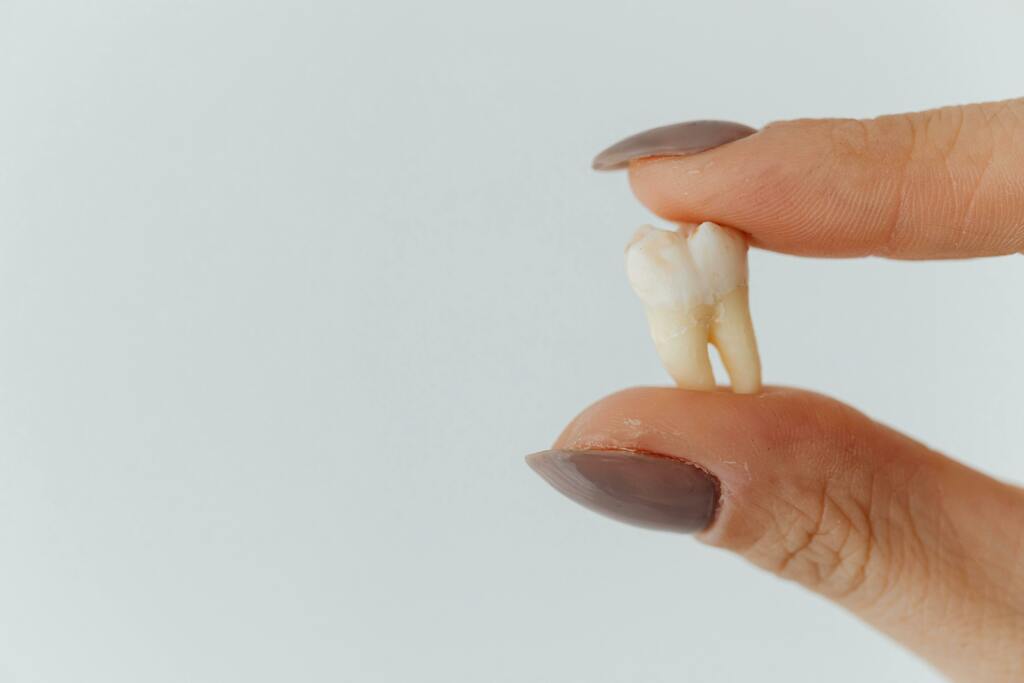
You might need a dental filling if you experience any of the following:
The most common reason, where bacteria create holes in the tooth enamel.
To repair minor damage and prevent further breakage or sensitivity.
To restore tooth structure lost due to grinding (bruxism) or erosion.
Receiving a dental filling at Clayton South Dental is a precise and comfortable process, typically completed in a single visit:
STEP 1
The dentist will examine the affected tooth. Local anaesthesia is administered to numb the area, ensuring a pain-free experience.
STEP 2
Any decayed or damaged tooth structure is carefully removed, and the tooth is prepared to receive the filling material.
STEP 3
The chosen filling material (e.g., tooth-coloured composite) is meticulously applied and shaped to restore the tooth's natural form.
STEP 4
The filling is hardened (if composite), then carefully shaped, trimmed, and polished to ensure a smooth surface and proper bite.
With proper care, your dental filling can provide many years of reliable service. Following these guidelines will help maximise its lifespan and maintain your oral health:
Maintain Excellent Oral Hygiene: Brush twice daily with fluoride toothpaste and floss daily to prevent new decay around the filling.
Regular Dental Check-ups & Cleans: Essential for monitoring the filling's condition, detecting early signs of wear or damage, and maintaining overall oral health.
Avoid Hard/Sticky Foods: Be mindful of very hard candies, ice, or sticky foods that can put undue stress on any filling, especially immediately after placement.
Address Teeth Grinding (Bruxism): If you grind or clench your teeth, discuss a custom night guard with your dentist to protect your fillings and natural teeth from excessive force.
While fillings are designed to be durable, it's important to be aware of signs that might indicate your filling needs attention:
The lifespan of a dental filling varies depending on the material, its size, location in the mouth, and your oral habits. While tooth-coloured composite fillings typically last 5-10 years, regular dental visits allow us to monitor their integrity and recommend replacement if signs of wear or failure appear.
Before placing a filling, we will numb the area with local anaesthesia, so you should not feel any pain during the procedure. You might experience some mild sensitivity after the anesthesia wears off, but this typically subsides quickly.
The lifespan of a dental filling depends on various factors, including the material used, its size, your oral hygiene habits, and chewing forces. Tooth-coloured composite fillings, which we primarily use, typically last between 5 to 10 years or even longer with proper care and regular dental check-ups.
Composite fillings are made of a tooth-colored resin material and bond directly to the tooth, offering a natural appearance. Amalgam fillings are silver-coloured, made of a mix of metals, and do not bond to the tooth, often requiring more tooth removal for placement. At Clayton South Dental, we prioritise composite fillings for their aesthetic and conservative benefits.
Yes, many patients choose to replace their old amalgam (silver) fillings with tooth-coloured composite fillings. This can be done for aesthetic reasons or if the old filling is worn, cracked, or showing signs of failure. We can assess your existing fillings and discuss if replacement is suitable for your oral health needs.
Caring for your new filling is similar to caring for your natural teeth. Maintain good oral hygiene by brushing twice a day with fluoride toothpaste, flossing daily, and attending regular dental check-ups and cleans. Avoid biting on extremely hard objects, especially immediately after the procedure.
Book a consultation today or give us a call to speak with one of our friendly team members on (03) 9548 9303

Dentist Clayton South Servicing Clients From: Clayton South, Notting Hill, Mount Waverley, Oakleigh East, Huntingdale, Clarinda, Mulgrave, Oakleigh, Chadstone, Springvale, Glen Waverley, Bentleigh East, Carnegie, Murrumbeena, Wheelers Hill, Noble Park, Monash, Glen Waverley, Burwood, Sandringham, Oakleigh South and surrounds.
Trusted Care for Your Whole Family